Finalist 2026
Fellow Award Finalist
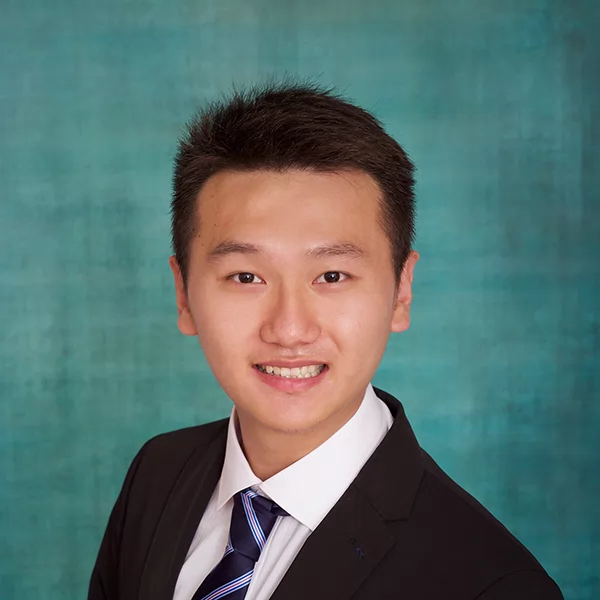
Yan-Ruide Charlie Li
University of California, Los Angeles, USYan-Ruide (Charlie) Li, Ph.D., is a Postdoctoral Researcher in Dr. Lili Yang's laboratory at the University of California, Los Angeles (UCLA). He received his B.S. in Biological Science from Zhejiang University and earned his Ph.D. at UCLA, where he pioneered hematopoietic stem and progenitor cell-engineered invariant natural killer T (iNKT) cells for cancer immunotherapy. His work established a clinically translatable, feeder-free and serum-free platform for generating scalable, universal, off-the-shelf CAR-NKT cells. These engineered iNKT cells integrate CAR-mediated tumor recognition with invariant TCR and natural killer receptor signaling, enabling multimodal tumor targeting, enhanced tumor homing and persistence, and modulation of the immunosuppressive tumor microenvironment. Building on this platform, Dr. Li is advancing GMP-grade allogeneic CAR-NKT therapies toward clinical translation while expanding similar stem cell-engineering strategies to MAIT and γδ T cells. His broader research integrates stem cell engineering, gene editing, synthetic biology, and precision immunotherapy for cancer and autoimmune diseases. He has authored more than 100 peer-reviewed publications and received multiple research awards and fellowships.
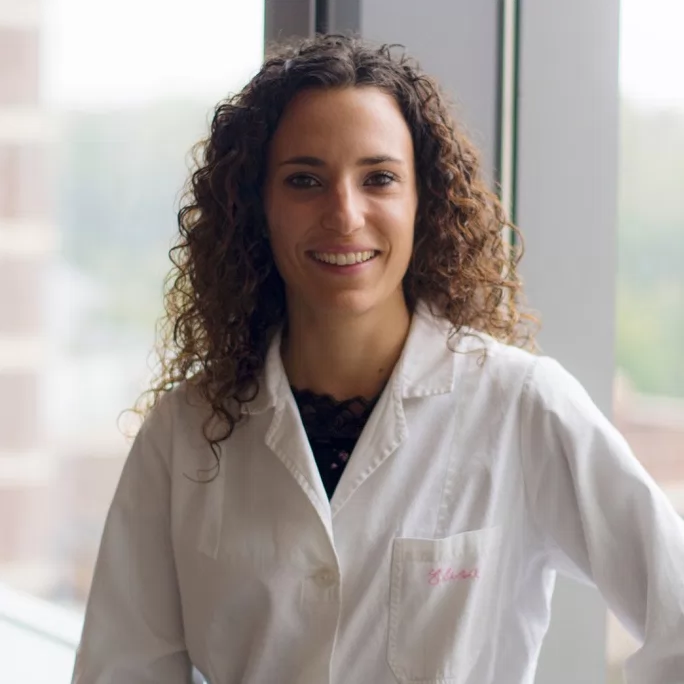
Elisa Landoni
UNC Lineberger Comprehensive Cancer Center, USElisa Landoni received her Bachelor’s and Master’s degrees in Biotechnology from Università Vita-Salute San Raffaele in Milan, Italy, where she studied TCR gene editing in T cells. She subsequently moved to the United States to continue her research at the UNC Lineberger Comprehensive Cancer Center at the University of North Carolina at Chapel Hill, where she has focused on NKT-cell biology and cancer immunotherapy for more than 10 years. She earned her PhD from the University of Pavia in collaboration with UNC. She later completed an MBA through North Carolina State University, complementing her scientific training with a broader business and translational perspective.
Her research focuses on developing NKT cell platforms for cancer treatment by redirecting NKT cells against tumors through both their endogenous anti-tumor TCR and engineered chimeric antigen receptors (CARs), while overcoming limitations in NKT cell persistence through cytokine armoring, including IL-12 expression. Her work aims to develop robust and clinically translatable NKT cell products that can be scaled under GMP conditions for clinical trials.
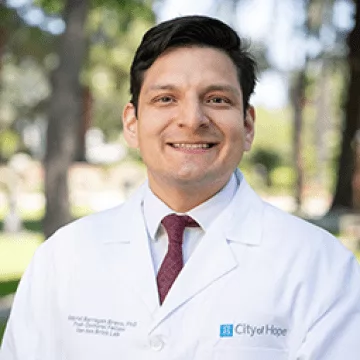
Gabriel André Barragán Bravo
City of Hope, Duarte, USGabriel A. Barragán Bravo, PhD, is a postdoctoral fellow at City of Hope dedicated to developing next-generation cellular immunotherapies for cancer. Originally from Ecuador, he earned his B.S. in Biotechnology Engineering from Tecnológico de Monterrey in Mexico and his PhD in Translational Biology and Molecular Medicine from Baylor College of Medicine.
During his doctoral training under the mentorship of Leonid S. Metelitsa, MD, PhD, Gabriel developed strategies to enhance the therapeutic potential of chimeric antigen receptor (CAR)-engineered natural killer T cells. His research demonstrated that engineering these cells to express IL-18 improved their antitumor activity against neuroblastoma, providing a foundation for developing more effective cellular immunotherapies.
At City of Hope, Gabriel conducts postdoctoral research under the mentorship of Christine Brown, PhD, and Marcel van den Brink, MD, PhD. His current work leverages synthetic biology to engineer CAR T and CAR NKT cells capable of overcoming the immunosuppressive glioblastoma microenvironment.
Gabriel aspires to establish an independent research program focused on engineering innovative immune-cell therapies for solid tumors, with the ultimate goal of translating scientific discoveries into meaningful benefits for patients.
Investigator Award Finalist
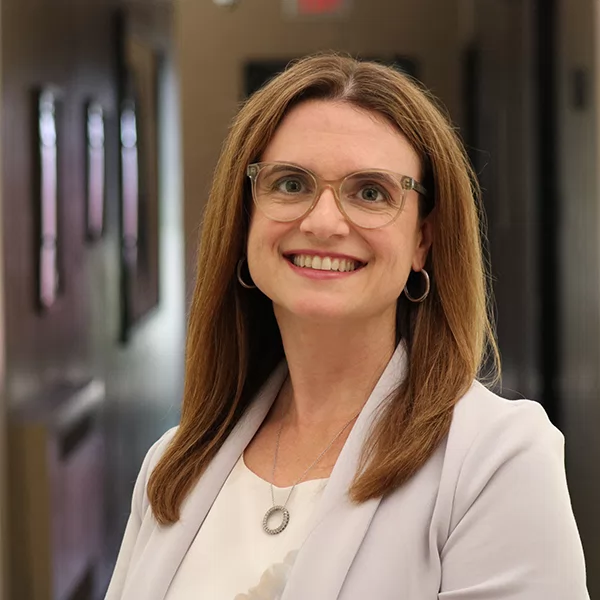
Melissa Mavers
Washington University School of Medicine, USDr. Melissa Mavers is a Physician-Scientist and Assistant Professor of Pediatrics in the Division of Hematology and Oncology at Washington University School of Medicine in St. Louis. Following her MD/PhD and Pediatrics residency training, she pursued Pediatric Hematology/Oncology Fellowship at Stanford University. Her initial postdoctoral research under the mentorship of Dr. Robert Negrin, showed that activation of the DR3-TL1A axis in donor mice leads to Treg expansion and activation with reduced GVHD in recipients. Transitioning to focus on iNKT cells, Dr. Mavers revealed transcriptional heterogeneity in human iNKT cells from multiple immunologically relevant hematologic tissues. This work elucidated distinct transcription factor regulon activity, validated a combined Th1/17 pattern similar to MAIT cells, identified TEMRA-like iNKT cells, and was presented at the inaugural CiRT meeting leading to a Best Short Talk award. The goals of her research program are to elucidate the biological mechanisms underlying immune tolerance in hematopoietic cell transplantation and develop novel cellular therapies to make these critical treatments safer and more effective for patients. Her laboratory’s focus on iNKT cells comprises several basic science and translational projects: (i) to develop novel iNKT cell-based approaches to GVHD prevention and treatment, (ii) to understand iNKT cell biology and mechanisms driving different functions to guide cellular therapy design, and (iii) to develop rational engineering strategies to enhance iNKT cell function and optimize ex vivo protocols for their production. She is honored to be a finalist for a CiRT Investigator Award.
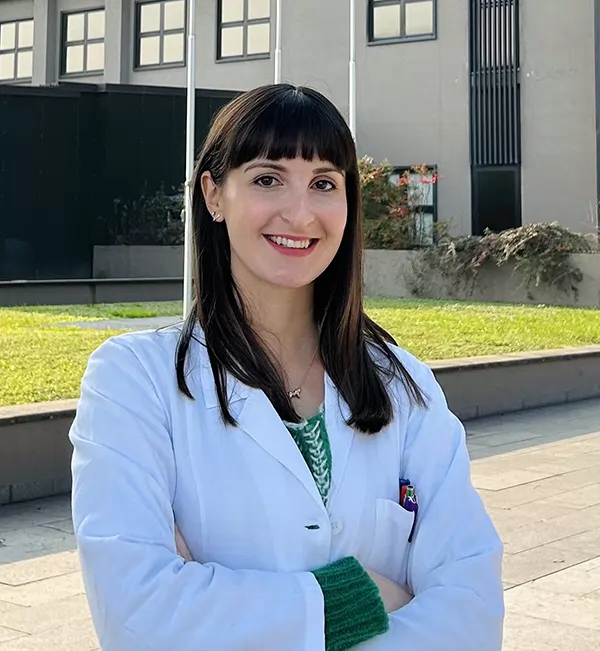
Gloria Delfanti
IRCSS San Raffaele Hospital, ITGloria Delfanti, PhD, is a postdoctoral fellow at the IRCCS San Raffaele Scientific Institute in Milan, Italy. She earned her PhD in Molecular Medicine cum laude from Università Vita-Salute San Raffaele and conducted international research at the Houston Methodist Research Institute. She has received several awards, including the L’Oréal-UNESCO For Women in Science Fellowship. Her research focuses on investigating the biology and therapeutic potential of invariant Natural Killer T (iNKT) cells in cancer immunotherapy. Her work has contributed to elucidating the role of iNKT cells in modulating the tumor microenvironment and to developing engineered iNKT-cell therapies through T-cell receptor (TCR), chimeric antigen receptor (CAR), and cytokine engineering. She is particularly interested in exploiting the multifunctional properties of iNKT cells to improve the efficacy and safety of cellular immunotherapies for solid tumors.
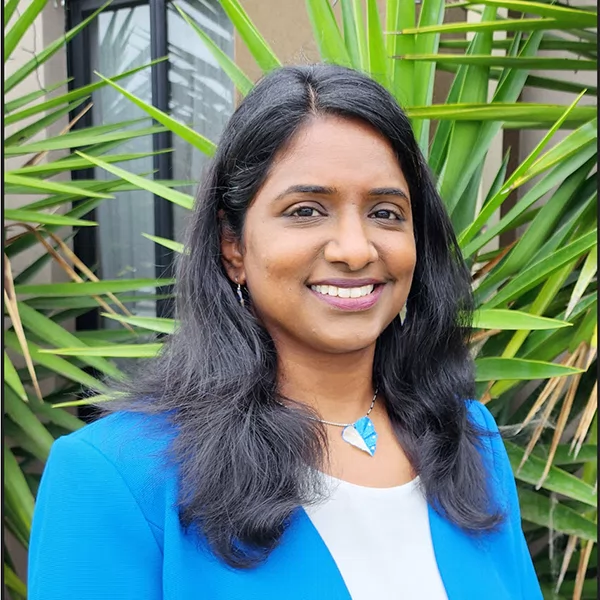
Praveena Thirunavukkarasu
Monash University, AUDr Praveena Thirunavukkarasu is a group leader and a National Health and Medical Research Fellow at the Biomedicine Discovery Institute, Monash University, Australia. She leads a team with a vision to transform our understanding of T-cell immunity in the context of the gut microbiome-NKT cell axis. Her research seeks to uncover a molecular-level understanding of the presentation and recognition of gut microbiota-produced lipids by NKT cells, thus providing a rationale for the design of drugs to treat inflammatory bowel diseases. Dr Thirunavukkarasu’s international standing in the field of structural immunology is evidenced by her original publications in highly reputed journals, including Nature, Science, Nature Communications and Proceedings of the National Academy of Sciences USA. Her ground-breaking first-authored work published in the prestigious journal Nature (2021) unravelled the mechanism by which lipids produced by the gut microbe, Bacteroides fragilis, are presented by antigen-presenting cells and are recognised by NKT cells, thus shaping the host’s immune response. She has delivered numerous presentations at national and international conferences, including the Gordon Research Conference on MHC-Restricted Antigen Processing and Presentation (2026), the IMMOX’25 Genetic Variation and Barrier Immunity Conference in Oxford, UK (2025), and the Biomolecular Horizons International Congress in Australia (2024).